Estate disputes rarely begin with greed.
They usually begin with unclear plans, silence, and assumptions.
By the time a family enters probate litigation, relationships are already fractured.
The reality is simple:
Most estate disputes are preventable if addressed early and documented properly.
This guide explains why estate disputes happen in Malaysia and the specific steps families can take now to prevent litigation, delays, and long-term family damage.
Why Estate Disputes Happen in the First Place
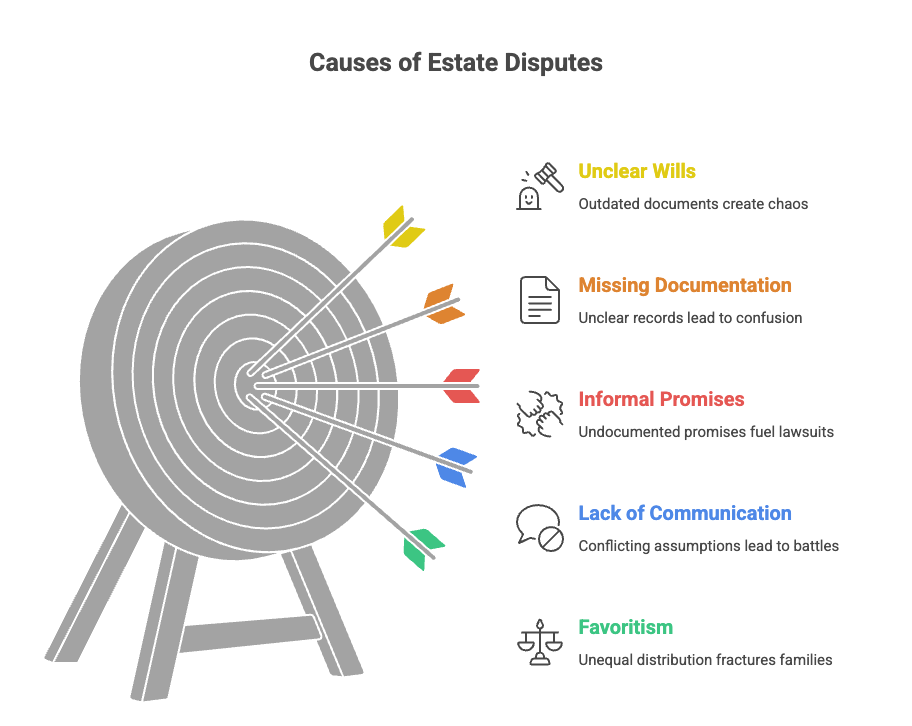
Estate conflicts follow predictable patterns.
When these issues exist, disputes become likely.
Common Causes of Estate Disputes
- Outdated or unclear wills
Wills that do not reflect current assets, relationships, or dependents - Unequal distribution without explanation
Perceived favoritism creates resentment and legal challenges - Lack of family communication
Beneficiaries develop conflicting assumptions about inheritance - Informal verbal promises
Statements like “this house will be yours” carry emotional weight but no legal standing - Missing or contradictory documentation
Inconsistent beneficiary designations and asset records create ambiguity
Preventive planning costs far less, financially and emotionally, than resolving disputes after death.
Step 1: Prepare a Clear and Updated Will

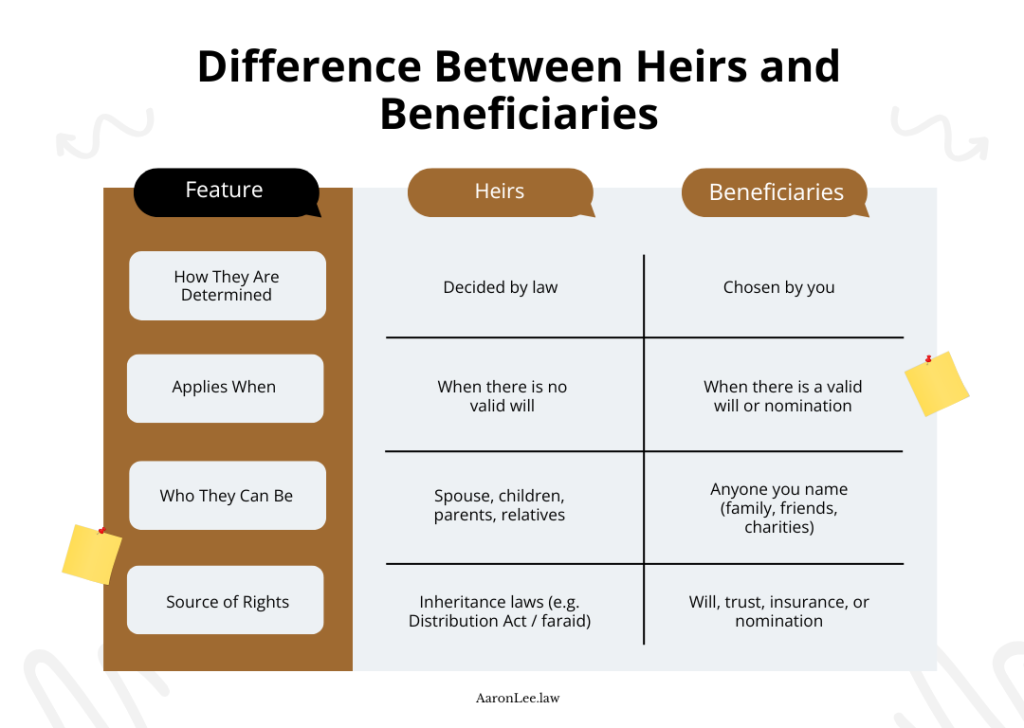
Without a valid will, estate distribution follows statutory law, not personal intention.
For non-Muslims, if a person dies intestate then his assets are distributed according to the Distribution Act 1958 (Act 300).
What a Proper Will Should Include
Complete asset inventory
- Real property
- Bank accounts
- Investments
- Businesses
- Vehicles
- Jewelry and high-sentiment items
Clear and specific allocations
- Avoid vague instructions such as “divide equally among my children”
- Specify beneficiaries and assets precisely
Contingency planning
- What happens if a beneficiary predeceases you?
- Who inherits in substitute scenarios?
When to Review a Will
Review every 3 to 5 years or immediately after:
- Marriage or divorce
- Birth or adoption of children
- Death of a beneficiary
- Major asset changes
- Relocation
- Significant relationship changes
Avoid DIY Wills
Template downloaded online wills frequently fail due to:
- Improper witnessing
- Invalid clauses
- Unclear language
Ambiguity invites challenges and court interpretation.
Step 2: Appoint a Neutral and Reliable Executor
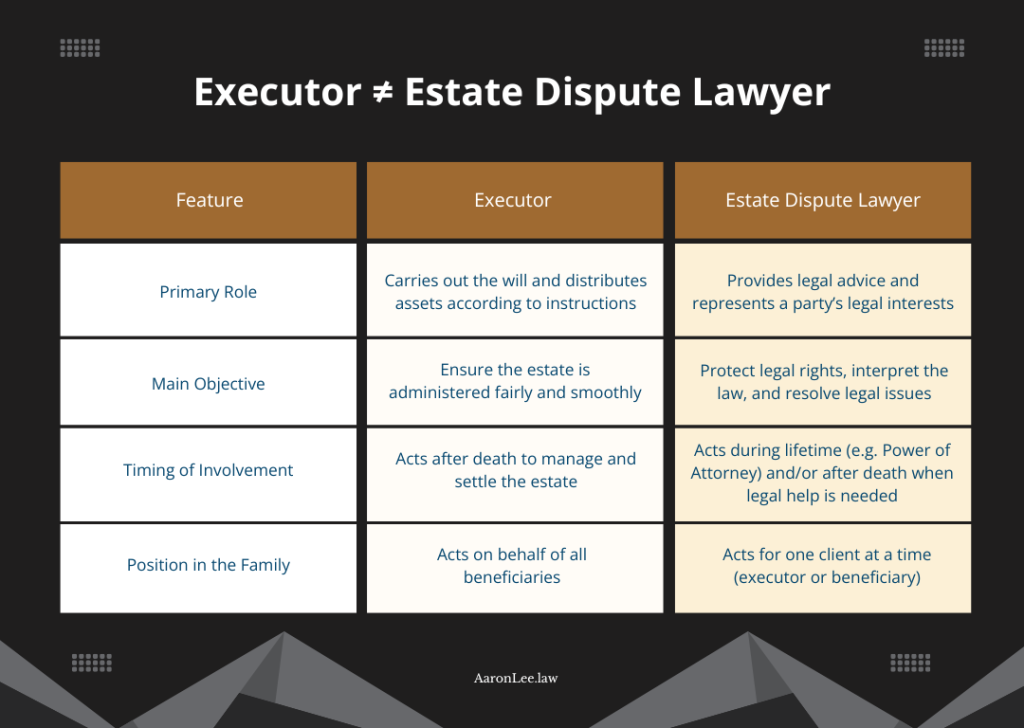
Alt text: differences-between-executor-and-estate-dispute-lawyer
The executor controls estate administration.
A poor choice is a frequent trigger for disputes.
Executor Selection Guidelines
Preferred option: Neutral professional executor
- Lawyer, accountant, or trust company
- Provides procedural discipline and emotional distance
When a beneficiary is also the executor, perceived bias becomes a problem, even if none exists.
If choosing a family member, ensure they:
- Have time and organisational ability
- Can remain impartial
- Are based in Malaysia (or can manage locally)
- Understand basic finances
- Can manage conflict
Always appoint an alternate executor.
And inform them in advance.
I’ve seen estates stalled for years because an executor was overwhelmed, unprepared, or emotionally entangled, forcing beneficiaries to involve an estate dispute lawyer just to move things forward.
Step 3: Communicate Your Wishes Early

Silence creates assumptions.
Assumptions create disputes.
Best Practices for Family Communication
- Hold discussions while mentally capable
- Explain the reasoning behind distributions
- Address unequal allocations directly
- Allow questions before emotions escalate
- Document discussions in writing
If conflict is likely, involve a lawyer in family meetings.
Professional facilitation reduces emotional escalation and strengthens evidentiary clarity.
Step 4: Understand Legal Rights of Heirs and Beneficiaries
A will is not absolute.
Under the Inheritance (Family Provision) Act 1971, courts may override a will if dependents are not adequately provided for.
Eligible claimants may include:
- Spouse
- Children (including adopted and illegitimate children)
- Dependent parents
- Other dependents
Courts consider:
- Financial need
- Estate size
- Moral obligations
Special Rules for Muslim Estates
- Governed by Faraid
- Only one-third of the estate may be freely distributed by will
Understanding these limits allows estate plans to be structured realistically and defensibly.
Step 5: Seek Legal Advice Before Transferring Property

Property decisions cause more estate disputes than any other asset class.
Risks of Lifetime Property Transfers
- Real Property Gains Tax
- Stamp duty exposure
- Loss of control
- Unequal distribution claims
- Exposure to divorce or creditor risks
Common Pitfalls
- Joint tenancy unintentionally bypassing a will
- Insurance and EPF nominations conflicting with estate plans
- Poorly structured trusts
Before Transferring Property
- Seek legal advice
- Review tax implications
- Consider family impact
- Document intent clearly
- Communicate decisions in advance
Most property-related estate disputes begin with good intentions and poor advice, and end with an estate dispute lawyer untangling years of complications.
Conclusion: Prevention Is Better Than Litigation
Estate disputes do more than drain money.
They permanently damage families.
Every step taken early:
- Reduces conflict
- Preserves relationships
- Prevents court intervention
If protecting both your legacy and your family matters, planning cannot be postponed.
And if you need guidance, speak to a qualified estate dispute lawyer who understands not just the law, but how families actually break when planning is ignored.
Frequently Asked Questions
Can I write my own will without a lawyer?
Yes, but drafting errors are common and often lead to disputes or invalidation.
What happens if I die without a will in Malaysia?
Your estate follows statutory distribution laws, which often conflict with personal wishes.
Can family members challenge my will?
Yes. Proper drafting, documentation, and legal compliance reduce the risk of successful challenges.
Should beneficiaries be told what they will inherit?
Yes. Transparency significantly reduces disputes.
What’s the difference between an executor and a beneficiary?
Executors administer the estate. Beneficiaries receive assets. Conflicts arise when roles overlap improperly.
How much does prevention cost versus litigation?
Preventive planning costs thousands. Litigation costs tens of thousands, plus permanent family damage.