Over the years, I’ve met many people who walk into my office only after months of emotional exhaustion, unsure whether they should have hired a lawyer for divorce earlier.
Some tried to handle the process themselves, hoping to save money or avoid conflict.
Others were overwhelmed by what friends or the internet told them to do.
But here’s the truth: knowing when to hire a divorce lawyer can make all the difference, legally, financially, and emotionally.
If you’re reading this, you’re likely at a crossroads, uncertain if it’s too soon, too late, or just the right time to get legal help.
Let me walk you through what I usually tell clients during their first consultation: a practical, honest checklist to help you decide when to engage a lawyer, what to prepare, and what to expect.
Understanding When Legal Help Becomes Necessary
Hire a lawyer early if:
- Communication with your spouse becomes tense or manipulative.
- You share property, savings, or business interests.
- There are disagreements about children or custody.
- Your spouse already has a lawyer.
- There’s a history of abuse, financial control, or hidden assets.
Tip: Even if your divorce seems “simple,” consulting a lawyer prevents costly mistakes and ensures all documents meet court requirements.
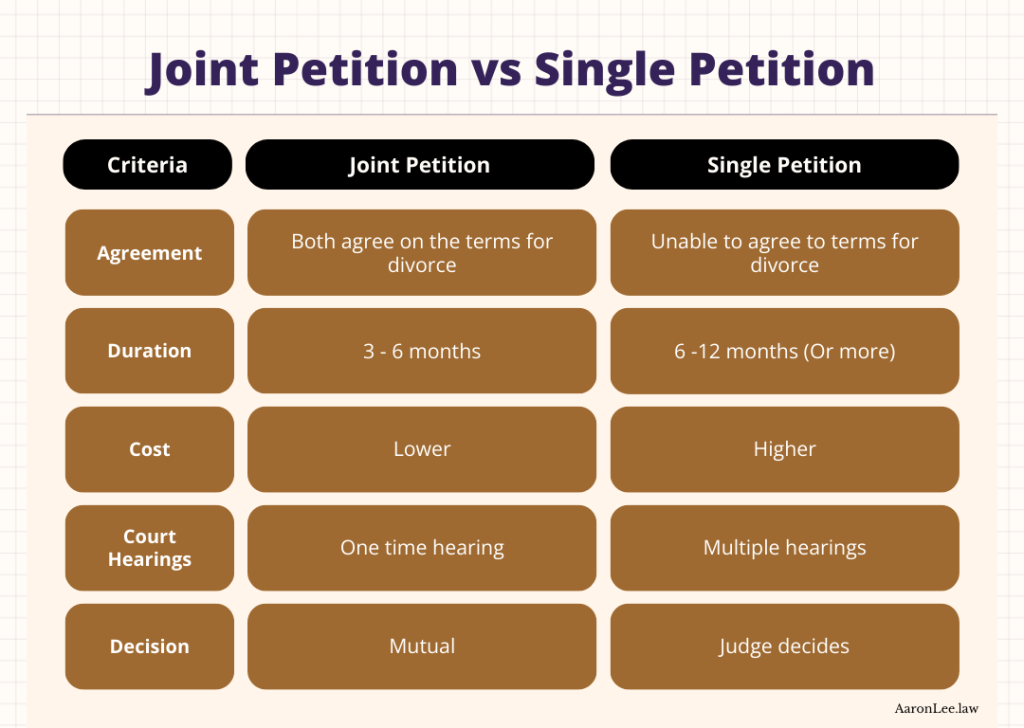
Not every divorce requires immediate legal intervention.
If you and your spouse are on good terms, and are able to agree on the terms for divorce, you may be able to file for a joint petition with minimal complexity.
But in reality, most cases aren’t that simple.
When disagreements arise or when there’s more at stake, getting a lawyer for divorce becomes important.
When you start feeling overwhelmed, uncertain, or outmatched, that’s your cue.
A lawyer for divorce protects your rights, even the ones you might not realize you have.
Step 1: When Communication with Your Spouse Breaks Down
Warning Signs You Need a Lawyer:
- Frequent arguments or threats over money or custody
- Ignoring or withholding key information
- Pressured to sign divorce petition with unfair terms
Fact: In Malaysian family courts, verbal agreements carry little weight.

Having a lawyer formalize terms protects your rights.
From my experience, one of the earliest signs that you may need legal support is when communication with your spouse stops being constructive.
If every discussion about separation, property, or the children feels tense, or if your spouse simply refuses to engage, it’s usually time to involve a neutral professional.
I’ve seen this happen many times.
When that happens, it’s not just emotionally draining, it’s risky.
Having a lawyer for divorce step in helps keep discussions structured and fact-based.
It also protects you from misunderstandings or informal “agreements” that might later lead to legal or financial complications.
Step 2: When Property or Child Custody Is Involved
Consult a lawyer immediately if:
- You can’t agree on custody or visitation.
- One parent restricts access to the children.
- You own shared real estate, investments, or loans.
Your lawyer will help you:
- Identify marital vs. non-marital assets.
- Document income and liabilities accurately.
- Prevent hidden asset issues during proceedings.
Tip: Always get legal review before transferring property or withdrawing joint funds.

Whenever a marriage involves shared assets or children, it’s important to seek legal guidance early.
From what I’ve seen, many people wait too long, not because they don’t care, but because they want to keep things peaceful.
Unfortunately, that’s often when costly mistakes happen.
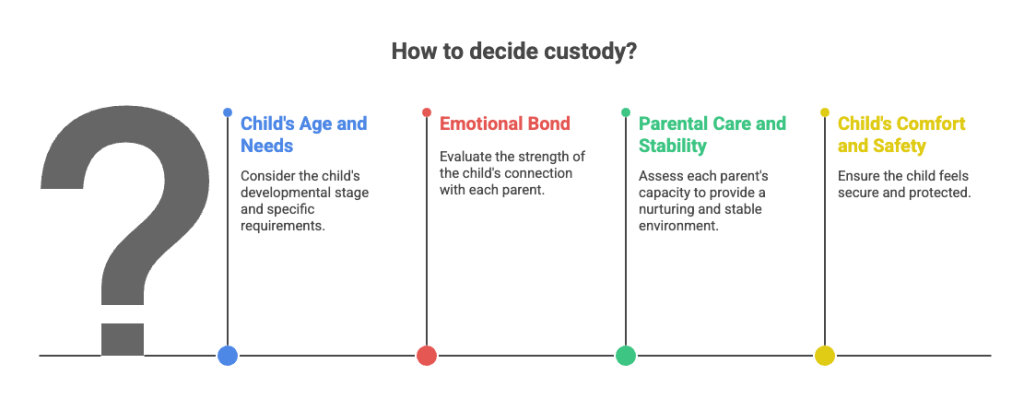
When it comes to child custody, the court’s primary concern is always the welfare of the child.
However, what’s considered “in the best interest of the child” can differ depending on the family’s unique circumstances.
A lawyer for divorce can help you understand your parental rights, establish fair custody arrangements, and ensure proper maintenance is in place.
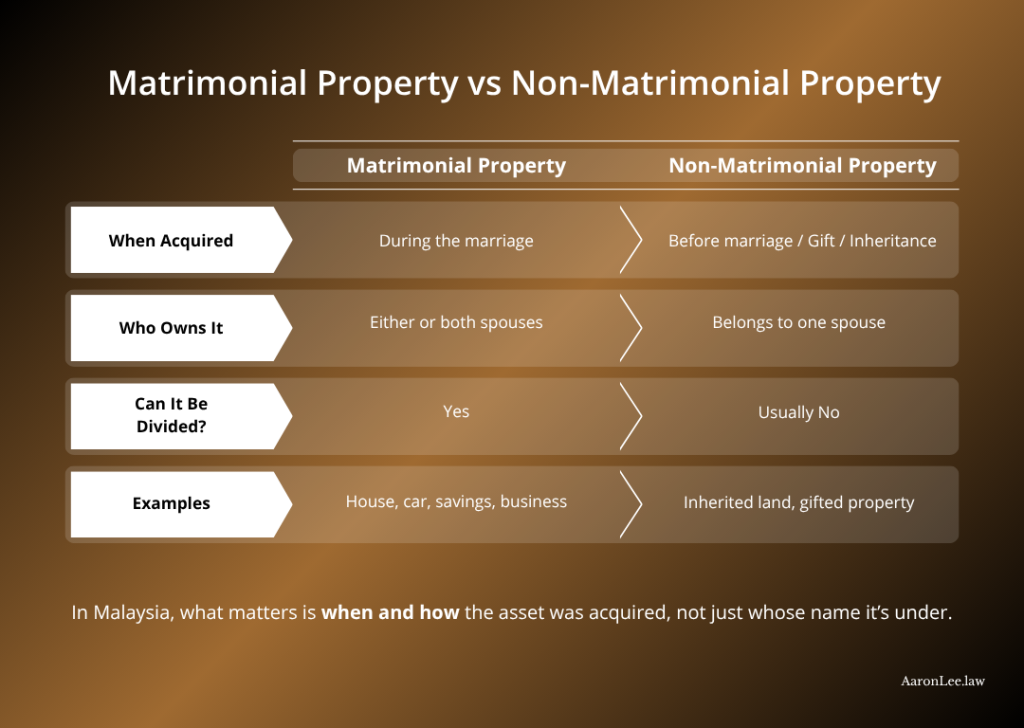
For property and financial matters, early advice makes a world of difference.
Assets like real estate, investments, businesses, or joint savings need to be properly identified, valued, and documented.
In my experience, early consultation prevents many of the issues I’ve seen clients face later, signing away rights they didn’t realize they had, mishandling joint funds, or accepting terms that seemed fair at first but weren’t in the long run.
Step 3: When You Receive Divorce Papers
- Read everything carefully.
- Note all deadlines and hearing dates.
- Contact a lawyer within 7 days for review.
- Do not sign or move out before consulting.
Fact: Courts may proceed without your input if you miss response deadlines (14 days for most filings in Malaysia).

If your spouse has already filed for divorce, it’s important to act quickly.
There are strict deadlines for responding to court documents.
Missing them may result in the divorce proceeding without your input, meaning the court could issue orders that affect you without hearing your side.
Even if everything looks straightforward, legal documents are drafted to protect your spouse’s interests.
You deserve to have the same level of protection and clarity, before taking your next step.
Step 4: When You Need Legal Protection or Advice
If you experience intimidation, threats, or abuse:
- Contact a divorce lawyer immediately.
- Request a protective order or temporary custody.
- Inform your lawyer before taking any actions that affect shared finances or assets, such as transferring funds, accessing joint accounts, or making major payments.
Your safety and documentation come first.

There are situations where seeking legal help isn’t just advisable, it’s essential for your safety and wellbeing.
Even when things haven’t reached that stage, getting early legal advice can help you make steady, informed decisions.
For example, you can:
- Understand how divorce may affect joint debts or loans.
- Learn about your entitlement to maintenance or property.
- Explore whether mediation is a possible path forward.
- Get a clearer picture of what timelines and outcomes to expect.
Many clients come to me simply because they want to understand their options, and that’s completely fine.
You don’t need to wait until things get serious or emotional to ask questions.
Sometimes, that first conversation is all it takes to bring a bit of clarity and peace of mind.
Step 5: When You’re Unsure of Your Legal Rights
Commonly misunderstood areas:
- Division of matrimonial property
- Spousal maintenance eligibility
- Custody and visitation rights
- Effect of misconduct on divorce outcomes
Tip: Misunderstanding your rights can lead to financial loss. Early advice avoids regret later.
Divorce law can be complex, and when emotions are high, it’s easy to feel lost or unsure of where to begin.
Many people aren’t fully aware of what they’re entitled to, or what questions they should even be asking.
Over the years, I’ve met clients who unknowingly gave up assets or agreed to unfair terms simply because they didn’t realise what the law actually allows them to claim.
My role as a lawyer for divorce is to bring clarity.
Once you understand your rights and obligations, decisions become easier, and far less stressful.
You’ll be able to plan your next steps based on knowledge, not fear or pressure.
Checklist: What to Prepare Before Meeting Your Lawyer
| Document Type | Example |
| Personal IDs | Marriage certificate, NRIC/passport |
| Children | Birth certificates |
| Property | Title deeds, loan statements |
| Financial | Bank records, payslips, tax filings, investments, insurance, and outstanding debts |
| Legal | Prenup/postnup, prior agreements |
Preparing the right documents before your first consultation helps ensure that our time together is focused and productive.
Other helpful materials:
- A short timeline of key events in your marriage
- Evidence of financial misconduct, abuse, or hidden assets (if applicable)
- Written communication related to property, maintenance, or custody matters
Being prepared allows your lawyer for divorce to assess your situation accurately and provide tailored, effective advice from the very first meeting.
Final Thoughts: The Earlier You Seek Help, The Better
Hiring a lawyer for divorce isn’t about creating conflict, it’s about protecting your interests and understanding your options.
One of the most common regrets I hear is, “I wish I had sought advice earlier.”
By the time many people reach out, important rights or assets have already been affected.
Even if you’re still weighing your decisions, an early consultation can provide clarity, perspective, and peace of mind.
It allows you to understand where you stand, legally and practically, before taking any step forward.
Your marriage may be ending, but your future is not.
You deserve to move into the next chapter with confidence and stability.
If you’d like to discuss your situation, I welcome you to contact me for a consultation.
Together, we’ll explore your options and decide what’s best for you moving forward.
Frequently Asked Questions
How much does a divorce lawyer usually cost?
Uncontested divorces: RM5,000–RM10,000
Contested divorces: Hourly or per-hearing rate depending on complexity.
Can I handle a divorce without a lawyer?
Yes, but only for simple, uncontested cases with no children or property. Still, get at least one legal consultation to avoid errors.
When is the right time to hire a divorce lawyer?
Before signing documents or agreeing to custody/property terms.
What if my spouse already has a lawyer and I don’t?
You should too, their lawyer represents their interests, not yours.
Do I still need a lawyer if we’re going through mediation?
Yes. A mediator facilitates talks but does not provide legal advice or protect your legal rights.