You should hire a real estate lawyer when a property transaction involves high value, legal complexity, disputed ownership, family transfers, inheritance, joint ownership, or developer-related risks. A lawyer reviews contracts, verifies title, manages legal compliance, and prevents disputes that can result in financial loss or invalid agreements.
Many buyers and sellers assume that a signed agreement is sufficient.
Engaging a real estate lawyer early ensures that risks are identified and mitigated before they become costly or irreversible.
Why a Real Estate Lawyer Matters in Property Transactions
Property transactions are legally binding and often irreversible.
Many risks only surface after completion, when remedies are limited or expensive.
A real estate lawyer provides legal oversight by:
- Reviewing contracts and legal documents for enforceability
- Identifying title, ownership, zoning, and compliance risks
- Explaining legal rights, obligations, and exit options
- Representing clients in disputes or negotiations if needed
Legal fees are typically small compared to the cost of unresolved legal errors, such as defective title, unenforceable clauses, stakeholder issues or unexpected tax exposure.
Situation #1: Buying or Selling High-Value Property

High-value transactions involve increased legal and financial exposure.
A real estate lawyer helps by:
- Reviewing complex contracts with special conditions or warranties
- Structuring transactions for asset protection
- Identifying tax implications (capital gains, transfer duties, ownership structure)
- Verifying title, easements, zoning, and land-use restrictions
Early legal review reduces the risk of costly post-completion disputes.
Situation #2: Transferring Property Between Family Members
Family transfers are legally regulated and often misunderstood.
A real estate lawyer can:
- Ensure compliance with tax and transfer laws
- Draft legally valid gifting or spousal transfer documents
- Structure buyouts between siblings or heirs
- Create life estate or trust-related arrangements
Without legal guidance, family transfers can result in unexpected taxes, invalid ownership, or future disputes.
Situation #3: Handling Disputed Property Ownership
Ownership disputes require immediate legal intervention.
A real estate lawyer handles:
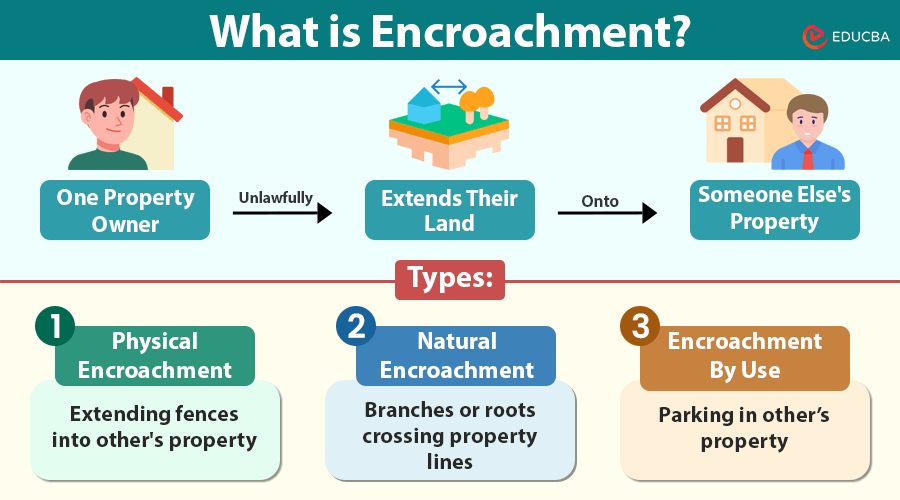
- Boundary and encroachment disputes
- Unlawful possession or illegal trespassing
- Title defects, liens, or prior ownership claims
- Fraudulent or forged property documents
The lawyer reviews title history, surveys, and records, negotiates settlements, and represents clients in court if necessary.
Situation #4: Drafting or Reviewing a Sale & Purchase Agreement
A sale and purchase agreement is legally binding once signed.
A real estate lawyer will:
- Review all clauses for clarity and fairness
- Identify terms that increase legal or financial risk
- Add or amend contingencies to protect your interests
- Explain enforceable rights and obligations
Real estate agents facilitate transactions, but only lawyers can modify contracts and provide legally enforceable advice.
Real Estate Lawyer vs Real Estate Agent:
| Role | What They Can Do | What They Cannot Do |
| Real Estate Agent | Market property, negotiate price, coordinate process | Give legal advice, amend contracts |
| Real Estate Lawyer | Review and change contracts, advise on legal risk, represent disputes | Market property |
Situation #5: Property with Caveats or Joint Ownership
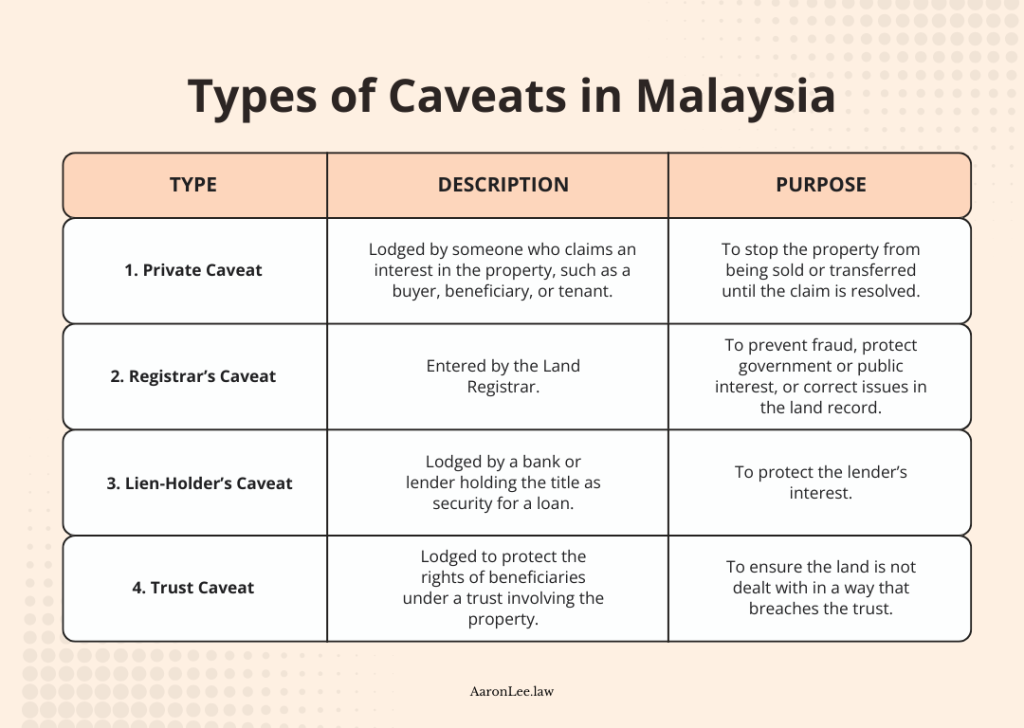
Properties subject to caveats or shared ownership carry specific legal risks.
A real estate lawyer can:
- Verify whether caveats are valid and enforceable
- Advise on resolving or removing caveats before closing
- Draft joint ownership agreements defining rights and exit terms
- Ensure compliance with tax and estate planning laws
Proper legal structure prevents disputes between co-owners.
Situation #6: Inheriting or Settling Estate Property

Inherited property often involves probate, debts, and tax considerations.
A real estate lawyer helps by:
- Managing probate and court documentation
- Clearing title issues and outstanding liens
- Structuring partitions or buyouts between heirs
- Reducing estate or inheritance tax exposure
Early legal involvement prevents delays, financial loss, and family conflict.
Situation #7: Dealing with Developer or Construction Disputes
New developments and construction projects carry contractual and performance risks.
A real estate lawyer can:
- Ensure deposits and escrow arrangements are legally protected
- Address construction defects or warranty claims
- Resolve disputes involving delays, liens, or substandard work
Legal expertise is critical when enforcing contractual rights in development projects.
Conclusion: Legal Oversight Prevents Risk
You should engage a real estate lawyer if your transaction involves:
- High-value or complex property
- Family transfers or inheritance
- Ownership disputes or title defects
- Contract drafting or review
- Caveats or joint ownership
- Estate or probate-related property
- Developer or construction disputes
Prevention is more cost-effective than remedy.
A real estate lawyer protects your legal and financial interests before problems arise.
The cost of legal review is minimal compared to the potential loss from unenforceable contracts, defective title, or unresolved disputes.
Engage a real estate lawyer early to protect your property transaction.
For expert guidance and to ensure your property transactions are fully protected, consult a real estate lawyer today.
FAQs
What documents should I prepare before consulting a real estate lawyer?
Prepare the sale and purchase agreement, title deeds, ownership history, mortgage statements, and correspondence with sellers, developers, or agents. Complete documentation allows accurate legal risk assessment.
Can a real estate lawyer help if I already signed a contract but suspect issues?
Yes. A lawyer can review signed contracts for enforceability, identify breaches or defects, and advise on negotiation, amendment, or legal remedies on a case to case basis.
How long does it typically take for a real estate lawyer to review a property transaction?
Simple residential transactions may take a few days to a week. Complex or high-value transactions can take several weeks, depending on title, contract length, and due diligence requirements.
Can a real estate lawyer negotiate contract terms on my behalf?
Yes. Lawyers can negotiate terms involving contingencies, warranties, timelines, and responsibilities amongst others to reduce risk.
Do real estate lawyers only handle high-value properties?
No. Any transaction involving legal, tax, or title complexity can benefit from legal review, including standard residential purchases.