As a property lawyer, I don’t usually meet clients at the happy stage.
I meet them after something has gone wrong.
After the excitement fades.
After the documents are signed.
After money is paid.
After they realise, “This isn’t what I thought I was agreeing to.”
Property mistakes don’t announce themselves early.
They stay quiet.
Then they surface when it’s too late.
And almost every time, the damage could’ve been avoided.
Here are the most common mistakes I see as a property lawyer, and why people regret not dealing with them properly from the start.
Why Legal Guidance Is Crucial in Property Transactions

Property transactions are legally binding agreements with long-term financial and legal consequences.
Despite this, many buyers assume the process is simple:
- Find a property
- Agree on price
- Sign documents
This assumption is a primary cause of disputes.
When buyers proceed without a property lawyer:
- Contracts are signed without full understanding
- Legal risks are missed because documents appear “standard”
- Disputes surface months or years later, when correction is costly or impossible
A property lawyer’s role is not administrative.
It is preventive.
I’ve lost count of how many times someone told me:
“If only I had checked this earlier.”
That sentence is always said too late.
Pitfall #1: Incomplete or Ambiguous Sale Agreements

Most property disputes originate from poorly drafted or unclear contracts.
A sale and purchase agreement controls:
- Completion timelines
- Legal and financial obligations
- Risk allocation
- Remedies when things go wrong
Common contract issues include:
- Vague completion dates triggering penalties
- Unclear inclusions and exclusions
- Missing repair or defect obligations
- Unprotected financing or inspection conditions
Templates do not account for transaction-specific risks.
If a clause is unclear, it can be interpreted against you.
I once reviewed a contract where the property boundary wasn’t clearly defined.
Buyer assumed part of the land was included.
Seller disagreed.
The court got involved.
How this is avoided:
- Every clause must be precise
- Every obligation must be written
- Every assumption must be removed
A property lawyer knows where contracts usually fail.
Pitfall #2: Not Conducting a Proper Title Search
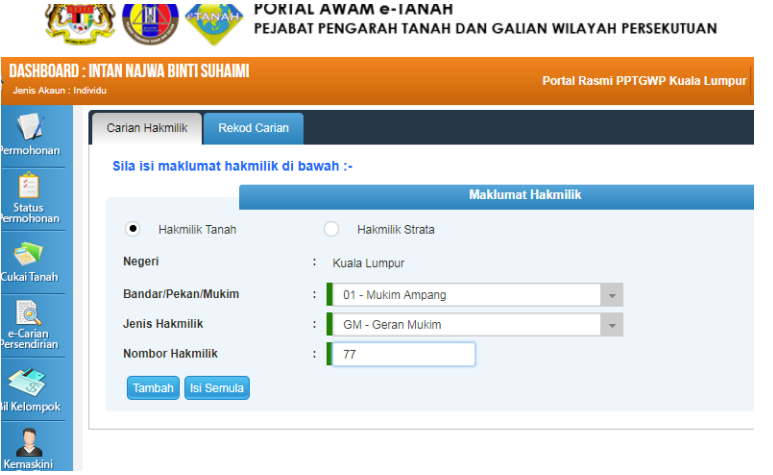
According to Malaysian Bar, a title search confirms:
- Legal ownership
- Existing loans or charges
- Caveats, restrictions, or third-party claims
- Whether the seller has authority to sell
Without a title search, buyers assume risks they did not agree to.
Consequences include:
- Inheriting hidden liabilities
- Discovering competing ownership claims
- Being legally responsible for undisclosed encumbrances
Legal reality: Once ownership transfers, undiscovered title issues become the buyer’s problem.
A property lawyer conducts full land registry searches and advises whether risks can be resolved before purchase.
Pitfall #3: Ignoring Caveats or Restrictions in the Deed
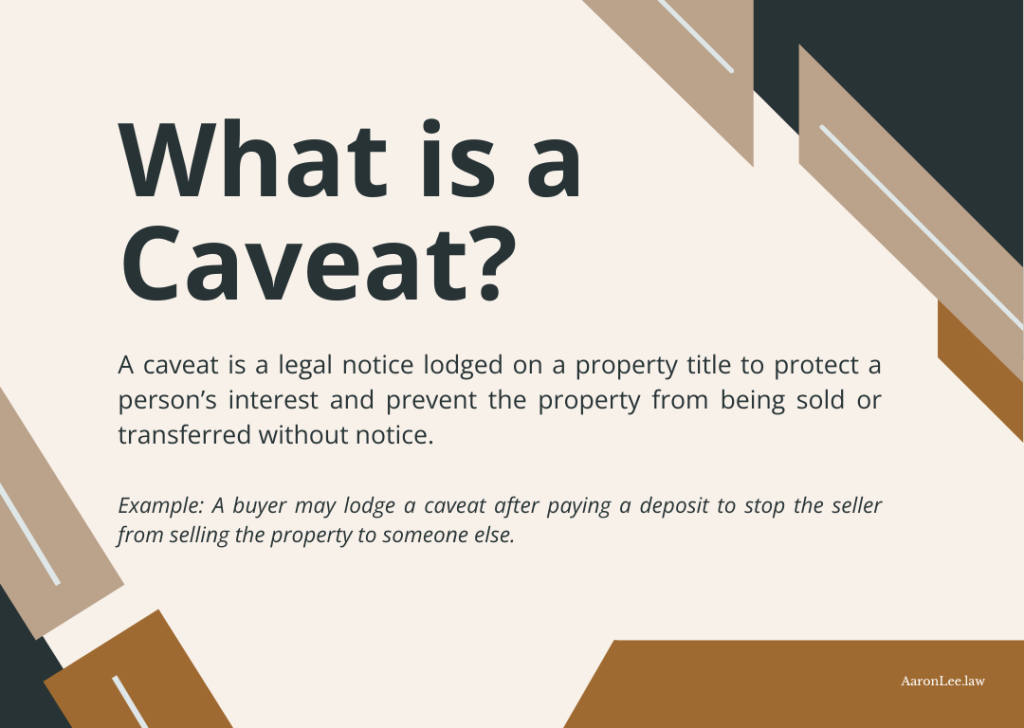
A property can have a “clean title” and still be legally restricted.
Deed restrictions may:
- Prohibit renovations or extensions
- Limit commercial or rental use
- Require shared access or maintenance obligations
- Restrict development potential
These restrictions are often overlooked until after purchase.
A property lawyer does not simply identify restrictions, they explain how those restrictions affect real-world use.
If future development or renovation is planned, restrictions must be assessed before commitment.
I’ve seen buyers plan extensions or renovations, only to find out later that structural changes weren’t allowed.
The property was legally fine.
But it no longer fits their plans.
Pitfall #4: Misunderstanding Loan and Stamp Duty Terms

Loan documents are legally binding financial contracts.
Commonly misunderstood terms include:
- Lock-in periods
- Early redemption penalties
- Variable interest clauses
- Stamp duty calculations and deadlines
- Ancillary fees and charges
Underestimating stamp duty or refinancing penalties can eliminate expected financial benefits.
A property lawyer reviews:
- Loan agreements
- Stamp duty exposure
- Total transaction cost, not just purchase price
If a clause is unclear, it is a legal risk, not a technicality.
Pitfall #5: Failing to Engage a Qualified Property Lawyer
This is the mistake that causes all others.
Buyers who do not engage a qualified property lawyer often:
- Rely on agents for legal explanations
- Use unqualified consultants
- Sign documents without legal review
Agents do not protect your legal interests.
The other party’s lawyer does not protect you.
Without independent legal advice:
- Rights are unknowingly waived
- Risks go undocumented
- Legal remedies disappear after completion
Property law is unforgiving.
Some mistakes cannot be undone.
I’ve fixed many transactions that were heading toward disaster.
But some can’t be fixed, because the damage was already done.
A property lawyer:
- Conducts proper due diligence
- Drafts and reviews contracts
- Handles registrations
- Protects your legal position
Trying to save on legal fees often creates far bigger losses.
Final Advice: Always Review Before You Sign
Before signing any property document:
- Ensure every clause is understood
- Clarify all unclear obligations
- Record all promises in writing
- Obtain independent legal review
Property transactions involve significant financial exposure.
Most losses occur not because buyers are careless, but because they trusted the process without understanding it.
Engaging a qualified property lawyer early is not an added cost.
It is risk management.
After years as a property lawyer, this is my bottom line:
Never sign:
- What you don’t understand
- What you haven’t reviewed
- What you’re rushed or pressured into
I’ve seen people lose money, rights, and peace of mind.
If you want peace of mind and someone to guide you through every step, it helps to work with a qualified property lawyer.
Frequently Asked Questions
Do I need a property lawyer for a simple apartment purchase?
Yes. Even “simple” sale or purchases involve binding contracts, title risks, and financial exposure. Legal review protects your position regardless of property type.
Can I use the same lawyer as the seller?
No. The seller or buyer’s lawyer represents the respective party’s interests. You need independent legal advice.
When should I engage a property lawyer in the buying process?
Before signing anything. Ideally before making or accepting an offer.
What happens if I discover problems after purchase?
Your options depend on what was reviewed and documented in the contract. This is why early legal review is critical.